Benefits of sodium nitrate for food safety
1. Prevents growth of dangerous bacteria
Sodium nitrate (often used as a curing agent in cured meats) is part of the nitrate→nitrite system that inhibits growth of Clostridium botulinum and other anaerobic pathogens in low-oxygen, low-acid foods. This is one of its primary food-safety benefits.
Buy Sodium Nitrate
Sodium Nitrate for Sale
Sodium Nitrate Supplier
Sodium Nitrate Manufacturers
Sodium Nitrate Wholesale
Industrial Grade Sodium Nitrate
Food Grade Sodium Nitrate
High Purity Sodium Nitrate
Sodium Nitrate Fertilizer
Nitrogen Fertilizer Supplier
Nitrate-Based Fertilizers
Crop Nutrition Solutions
Agricultural Chemicals Supplier
Sodium Nitrate Food Additive
Curing Salt Additive
Food-Grade Nitrate Preservative
Meat Curing Ingredients
Preservatives for Processed Meat
Sodium Nitrate for Explosives
Oxidizer Chemicals Supplier
Pyrotechnic Grade Sodium Nitrate
Blasting Compound Ingredients
Mining Chemicals Supplier
What is Sodium Nitrate Used For?
Sodium Nitrate vs Sodium Nitrite
Is Sodium Nitrate Safe?
[LAXMI ENTERPRISE VADODRA, GUJARAT, INDIA.]
2. Long-term microbial control
Nitrate acts as a reservoir that converts to nitrite over time under the right conditions, giving extended antimicrobial protection during storage and aging of cured products (e.g., dry sausages, cured hams).
3. Contributes to color, flavor and product stability
Although not strictly a “safety” benefit, sodium nitrate (via nitrite) stabilizes the characteristic pink/red cured color and develops the typical cured flavor — qualities that help producers make consistent, acceptable products that consumers trust and store/handle correctly.
4. Oxidation prevention
Nitrite from nitrate has antioxidant activity that can slow lipid oxidation (rancidity), helping preserve product quality and reducing off-odors that might otherwise hide spoilage.
How it works (brief mechanism)
Sodium nitrate itself is relatively stable. In cured meats and some fermentation processes, bacterial or enzymatic reduction converts nitrate → nitrite.
Nitrite is the main active antimicrobial and color-fixing agent; it interferes with bacterial metabolism (including toxin production) and reacts with myoglobin to form cured pigments.
Important safety considerations
Nitrosamine formation: Under certain conditions (high heat, acidic conditions, presence of certain amines), nitrite can form nitrosamines — some of which are carcinogenic in animals. This is why industry practices and formulations aim to minimize free nitrite formation and use antagonists (see below).
Use within regulated limits: Regulatory bodies set maximum permitted levels and use-cases for nitrate/nitrite in food. Always follow local regulations and product standards.
Not a replacement for hygiene: Nitrate/nitrite are a supplement to — not a substitute for — good manufacturing practices, sanitation, acidification where required, correct refrigeration, and temperature control.
Labeling & consumer info: Some countries require cured products to be labeled (e.g., “contains added nitrite/nitrate” or “contains celery powder” for natural equivalents). Transparency helps consumers with dietary restrictions or preferences.
Mitigation strategies (reduce risks while keeping benefits)
Use the lowest effective concentration for the product’s safety and shelf life.
Add ascorbic acid (vitamin C) or sodium ascorbate — these inhibit nitrosamine formation and accelerate nitrite→nitric oxide reactions that form cured color.
Optimize processing: control heating temperatures/times to reduce nitrosamine formation risk; avoid excessive high-temperature frying of nitrite-containing products.
Maintain good microbial control steps (hygiene, proper cooking, acidification where applicable, and safe storage temperatures).
Use validated formulations and shelf-life testing for your specific product and process.
Alternatives & complements
Celery powder / vegetable-derived nitrates — marketed as “natural” nitrate sources (they still supply nitrate/nitrite and require the same safety handling).
High-pressure processing (HPP), refrigeration, modified atmosphere packaging (MAP) — these can complement or in some cases reduce reliance on chemical preservatives, but they do not always replace nitrate/nitrite for cured-meat safety.
Lower-pH formulations, salt reduction strategies, bacteriocins or hurdle technologies — part of integrated food-safety planning.
Testing & verification
Routine testing of nitrite/nitrate levels and microbiological testing (including for Clostridium and spoilage organisms) is critical. Labs use colorimetric assays, ion chromatography, or HPLC methods for quantifying nitrates/nitrites.
Validate shelf life and safety with challenge studies or predictive microbiology as appropriate for the product.
✅ Correct — the chemical formula of sodium nitrate is NaNO₃.
Here’s a quick breakdown for clarity:
Chemical Name: Sodium Nitrate
Chemical Formula: NaNO₃
Molecular Weight: 84.99 g/mol
Composition:
Na → Sodium (1 atom)
N → Nitrogen (1 atom)
O₃ → Oxygen (3 atoms)
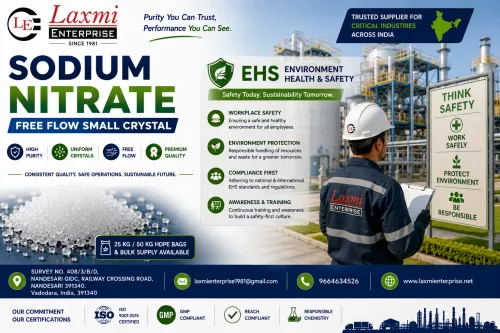
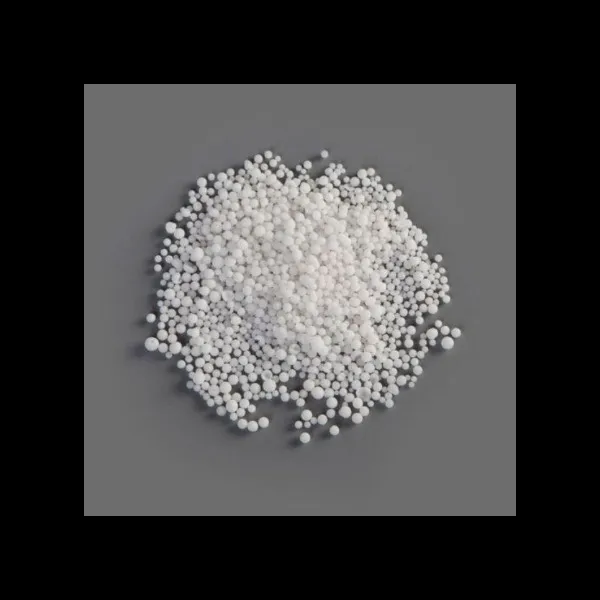
Appearance: White crystalline solid
Solubility: Highly soluble in water
CAS Number: 7631-99-4
UN Number: 1498
Hazard Class: Oxidizing agent (Class 5.1)
Key applications
Molten-salt heat-transfer & thermal energy storage
Sodium nitrate (often blended with potassium nitrate) is a major component of “solar salt” (≈60% NaNO₃ / 40% KNO₃).
Used in concentrated solar power (CSP) plants and industrial thermal storage due to high heat capacity and stability at elevated temperatures (melting point ~220°C for the eutectic mix).
Also used as heat-transfer fluid and thermal storage in industrial furnaces and thermal process plants.
Heat-treatment / metal processing (salt baths)
Nitrate/nitrite salt baths used for annealing, bright-dipping, heat treating and descaling. Produce uniform heating and controlled cooling/quenching environments.
Often part of molten salt formulations for hardening or tempering steels.
Oxidizer in pyrotechnics, explosives & propellants
Used as an oxidizing agent in pyrotechnic compositions and some explosive formulations (handled under strict controls).
Also used in lab-scale synthesis of oxidizing agents and in propellant chemistry.
Chemical intermediate and reagent
Precursor to sodium nitrite (via reduction) and source of nitrate ion for nitration and other syntheses.
Reacts with strong acids (e.g., H₂SO₄) to generate nitric acid in situ for certain nitration processes.
Used in organic and inorganic synthesis (oxidation reactions, nitration steps, analytical chemistry).
Glass, ceramics & frits
Serves as a fluxing/oxidizing additive in specialized glass and ceramic formulations to adjust properties or aid processing.
Metallurgical & surface treatments
Employed in fluxes, pickling/cleaning formulations and for removing scale from metals; also in passivation operations in combination with other salts.
Food industry (curing & preservation)
Food-grade NaNO₃ (E251) used in controlled amounts for curing certain meats (long-aged dry-cured products) — primarily as a reservoir for nitrite which provides antimicrobial protection and color stability. (Regulated use; see local food regulations.)
Fertilizer
Used as a quick-acting nitrogen fertilizer (contains ~16.5% N by weight), especially where chloride-sensitive crops need a chloride-free N source.
Textiles & dyes
Used as an oxidant and in dye chemistry (bleaching/oxidation steps, preparation of diazonium salts via nitrite pathways when converted).
Laboratory / analytical uses
Reagent in titrations, colorimetric assays and as a standard in various analytical procedures.
Typical product grades & packaging
Grades: technical/industrial grade, reagent grade, food grade (E251). Purity and permitted uses differ by grade.
Packaging: 25 kg / 50 kg multi-ply bags, big-bags (1 MT), bulk pneumatic tankers for large deliveries. Also small drums for reagent-grade.
Typical properties relevant to manufacturing
Formula: NaNO₃
Molecular weight: 84.99 g·mol⁻¹
Solubility: Highly soluble in water (soluble salts make wash-off easy)
Physical: White crystalline/ granular solid
Function in mixtures: oxidizer, sodium source, nitrate reservoir
Handling, storage & safety (high priority)
Classification: oxidizing agent — can accelerate combustion of organic/combustible materials.
Storage: cool, dry, well-ventilated area away from combustible materials, reducing agents, acids, organic compounds and dust sources. Keep containers tightly closed.
Segregation: store separately from fuels, oils, sawdust, paper, reducing agents (e.g., hydrazine, sulfides), and strong acids.
PPE: gloves, eye protection, dust masks/respirators where dust exposure is possible, and protective clothing.
Spill response: avoid water runoff into drains if contaminated; sweep up dry if possible, avoiding dust generation; collect into suitable containers and arrange disposal per local regulations.
Fire: not flammable itself but will support combustion — extinguish surrounding fire with water; use large volumes of water to cool. Do NOT use dry chemical extinguishers that may be incompatible for oxidizers without considering the scenario.
Environmental: soluble and can increase nitrate levels in water — avoid discharge to waterways. Disposal must follow local hazardous waste rules.
Incompatibilities & risks
Reacts dangerously with combustible organics and reducing agents — can cause fire/explosion if contaminated with fuels, oils or organic dust.
Formation of nitrogen oxides if heated strongly or decomposed.
In food applications: risk of nitrite/nitrosamine formation if misused — follow regulations and mitigation strategies (e.g., ascorbates) when used as curing agent.
Regulatory & quality notes
Food-grade use is regulated (maximum permitted levels, labeling, permitted products vary by jurisdiction).
Road/HSN classification varies by country — typically falls under inorganic nitrates in customs/HSN chapters (confirm the exact local code with customs or your tax consultant).
Industrial customers typically require certificates: COA (certificate of analysis), SDS, and batch test results (moisture, NaNO₂/NO₂⁻ trace, heavy metals).
Typical specification items manufacturers request
Purity (% NaNO₃)
Moisture content (%)
Insolubles / residue on ignition
Trace nitrite (NO₂⁻) content
Heavy metals (Pb, As, Cd)
Particle size distribution (granular vs prill vs powder)
1. Prevents growth of dangerous bacteria
Sodium nitrate (often used as a curing agent in cured meats) is part of the nitrate→nitrite system that inhibits growth of Clostridium botulinum and other anaerobic pathogens in low-oxygen, low-acid foods. This is one of its primary food-safety benefits.
Buy Sodium Nitrate
Sodium Nitrate for Sale
Sodium Nitrate Supplier
Sodium Nitrate Manufacturers
Sodium Nitrate Wholesale
Industrial Grade Sodium Nitrate
Food Grade Sodium Nitrate
High Purity Sodium Nitrate
Sodium Nitrate Fertilizer
Nitrogen Fertilizer Supplier
Nitrate-Based Fertilizers
Crop Nutrition Solutions
Agricultural Chemicals Supplier
Sodium Nitrate Food Additive
Curing Salt Additive
Food-Grade Nitrate Preservative
Meat Curing Ingredients
Preservatives for Processed Meat
Sodium Nitrate for Explosives
Oxidizer Chemicals Supplier
Pyrotechnic Grade Sodium Nitrate
Blasting Compound Ingredients
Mining Chemicals Supplier
What is Sodium Nitrate Used For?
Sodium Nitrate vs Sodium Nitrite
Is Sodium Nitrate Safe?
[LAXMI ENTERPRISE VADODRA, GUJARAT, INDIA.]
2. Long-term microbial control
Nitrate acts as a reservoir that converts to nitrite over time under the right conditions, giving extended antimicrobial protection during storage and aging of cured products (e.g., dry sausages, cured hams).
3. Contributes to color, flavor and product stability
Although not strictly a “safety” benefit, sodium nitrate (via nitrite) stabilizes the characteristic pink/red cured color and develops the typical cured flavor — qualities that help producers make consistent, acceptable products that consumers trust and store/handle correctly.
4. Oxidation prevention
Nitrite from nitrate has antioxidant activity that can slow lipid oxidation (rancidity), helping preserve product quality and reducing off-odors that might otherwise hide spoilage.
How it works (brief mechanism)
Sodium nitrate itself is relatively stable. In cured meats and some fermentation processes, bacterial or enzymatic reduction converts nitrate → nitrite.
Nitrite is the main active antimicrobial and color-fixing agent; it interferes with bacterial metabolism (including toxin production) and reacts with myoglobin to form cured pigments.
Important safety considerations
Nitrosamine formation: Under certain conditions (high heat, acidic conditions, presence of certain amines), nitrite can form nitrosamines — some of which are carcinogenic in animals. This is why industry practices and formulations aim to minimize free nitrite formation and use antagonists (see below).
Use within regulated limits: Regulatory bodies set maximum permitted levels and use-cases for nitrate/nitrite in food. Always follow local regulations and product standards.
Not a replacement for hygiene: Nitrate/nitrite are a supplement to — not a substitute for — good manufacturing practices, sanitation, acidification where required, correct refrigeration, and temperature control.
Labeling & consumer info: Some countries require cured products to be labeled (e.g., “contains added nitrite/nitrate” or “contains celery powder” for natural equivalents). Transparency helps consumers with dietary restrictions or preferences.
Mitigation strategies (reduce risks while keeping benefits)
Use the lowest effective concentration for the product’s safety and shelf life.
Add ascorbic acid (vitamin C) or sodium ascorbate — these inhibit nitrosamine formation and accelerate nitrite→nitric oxide reactions that form cured color.
Optimize processing: control heating temperatures/times to reduce nitrosamine formation risk; avoid excessive high-temperature frying of nitrite-containing products.
Maintain good microbial control steps (hygiene, proper cooking, acidification where applicable, and safe storage temperatures).
Use validated formulations and shelf-life testing for your specific product and process.
Alternatives & complements
Celery powder / vegetable-derived nitrates — marketed as “natural” nitrate sources (they still supply nitrate/nitrite and require the same safety handling).
High-pressure processing (HPP), refrigeration, modified atmosphere packaging (MAP) — these can complement or in some cases reduce reliance on chemical preservatives, but they do not always replace nitrate/nitrite for cured-meat safety.
Lower-pH formulations, salt reduction strategies, bacteriocins or hurdle technologies — part of integrated food-safety planning.
Testing & verification
Routine testing of nitrite/nitrate levels and microbiological testing (including for Clostridium and spoilage organisms) is critical. Labs use colorimetric assays, ion chromatography, or HPLC methods for quantifying nitrates/nitrites.
Validate shelf life and safety with challenge studies or predictive microbiology as appropriate for the product.
✅ Correct — the chemical formula of sodium nitrate is NaNO₃.
Here’s a quick breakdown for clarity:
Chemical Name: Sodium Nitrate
Chemical Formula: NaNO₃
Molecular Weight: 84.99 g/mol
Composition:
Na → Sodium (1 atom)
N → Nitrogen (1 atom)
O₃ → Oxygen (3 atoms)
Appearance: White crystalline solid
Solubility: Highly soluble in water
CAS Number: 7631-99-4
UN Number: 1498
Hazard Class: Oxidizing agent (Class 5.1)
Key applications
Molten-salt heat-transfer & thermal energy storage
Sodium nitrate (often blended with potassium nitrate) is a major component of “solar salt” (≈60% NaNO₃ / 40% KNO₃).
Used in concentrated solar power (CSP) plants and industrial thermal storage due to high heat capacity and stability at elevated temperatures (melting point ~220°C for the eutectic mix).
Also used as heat-transfer fluid and thermal storage in industrial furnaces and thermal process plants.
Heat-treatment / metal processing (salt baths)
Nitrate/nitrite salt baths used for annealing, bright-dipping, heat treating and descaling. Produce uniform heating and controlled cooling/quenching environments.
Often part of molten salt formulations for hardening or tempering steels.
Oxidizer in pyrotechnics, explosives & propellants
Used as an oxidizing agent in pyrotechnic compositions and some explosive formulations (handled under strict controls).
Also used in lab-scale synthesis of oxidizing agents and in propellant chemistry.
Chemical intermediate and reagent
Precursor to sodium nitrite (via reduction) and source of nitrate ion for nitration and other syntheses.
Reacts with strong acids (e.g., H₂SO₄) to generate nitric acid in situ for certain nitration processes.
Used in organic and inorganic synthesis (oxidation reactions, nitration steps, analytical chemistry).
Glass, ceramics & frits
Serves as a fluxing/oxidizing additive in specialized glass and ceramic formulations to adjust properties or aid processing.
Metallurgical & surface treatments
Employed in fluxes, pickling/cleaning formulations and for removing scale from metals; also in passivation operations in combination with other salts.
Food industry (curing & preservation)
Food-grade NaNO₃ (E251) used in controlled amounts for curing certain meats (long-aged dry-cured products) — primarily as a reservoir for nitrite which provides antimicrobial protection and color stability. (Regulated use; see local food regulations.)
Fertilizer
Used as a quick-acting nitrogen fertilizer (contains ~16.5% N by weight), especially where chloride-sensitive crops need a chloride-free N source.
Textiles & dyes
Used as an oxidant and in dye chemistry (bleaching/oxidation steps, preparation of diazonium salts via nitrite pathways when converted).
Laboratory / analytical uses
Reagent in titrations, colorimetric assays and as a standard in various analytical procedures.
Typical product grades & packaging
Grades: technical/industrial grade, reagent grade, food grade (E251). Purity and permitted uses differ by grade.
Packaging: 25 kg / 50 kg multi-ply bags, big-bags (1 MT), bulk pneumatic tankers for large deliveries. Also small drums for reagent-grade.
Typical properties relevant to manufacturing
Formula: NaNO₃
Molecular weight: 84.99 g·mol⁻¹
Solubility: Highly soluble in water (soluble salts make wash-off easy)
Physical: White crystalline/ granular solid
Function in mixtures: oxidizer, sodium source, nitrate reservoir
Handling, storage & safety (high priority)
Classification: oxidizing agent — can accelerate combustion of organic/combustible materials.
Storage: cool, dry, well-ventilated area away from combustible materials, reducing agents, acids, organic compounds and dust sources. Keep containers tightly closed.
Segregation: store separately from fuels, oils, sawdust, paper, reducing agents (e.g., hydrazine, sulfides), and strong acids.
PPE: gloves, eye protection, dust masks/respirators where dust exposure is possible, and protective clothing.
Spill response: avoid water runoff into drains if contaminated; sweep up dry if possible, avoiding dust generation; collect into suitable containers and arrange disposal per local regulations.
Fire: not flammable itself but will support combustion — extinguish surrounding fire with water; use large volumes of water to cool. Do NOT use dry chemical extinguishers that may be incompatible for oxidizers without considering the scenario.
Environmental: soluble and can increase nitrate levels in water — avoid discharge to waterways. Disposal must follow local hazardous waste rules.
Incompatibilities & risks
Reacts dangerously with combustible organics and reducing agents — can cause fire/explosion if contaminated with fuels, oils or organic dust.
Formation of nitrogen oxides if heated strongly or decomposed.
In food applications: risk of nitrite/nitrosamine formation if misused — follow regulations and mitigation strategies (e.g., ascorbates) when used as curing agent.
Regulatory & quality notes
Food-grade use is regulated (maximum permitted levels, labeling, permitted products vary by jurisdiction).
Road/HSN classification varies by country — typically falls under inorganic nitrates in customs/HSN chapters (confirm the exact local code with customs or your tax consultant).
Industrial customers typically require certificates: COA (certificate of analysis), SDS, and batch test results (moisture, NaNO₂/NO₂⁻ trace, heavy metals).
Typical specification items manufacturers request
Purity (% NaNO₃)
Moisture content (%)
Insolubles / residue on ignition
Trace nitrite (NO₂⁻) content
Heavy metals (Pb, As, Cd)
Particle size distribution (granular vs prill vs powder)
Keywords