General Properties
Chemical formula: NaNO₃
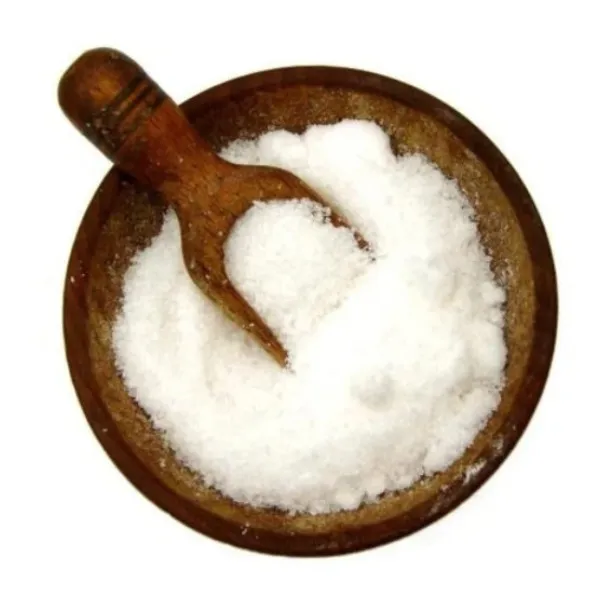
Appearance: White crystalline solid
Melting point: 306–308°C
Oxidizing nature: Strong oxidizer; can accelerate combustion of flammable materials
2. Storage Guidelines
A. Storage Environment
Cool, dry, and well-ventilated area
Avoid locations with high humidity or water exposure, as moisture can lead to caking or contamination.
Temperature control
Ideally store below 30–35°C. Avoid heating near ignition sources.
Sunlight protection
Keep away from direct sunlight; UV exposure may degrade packaging or affect stability.
B. Storage Containers
Use tightly sealed, corrosion-resistant containers (HDPE, polypropylene, or lined steel drums).
Avoid metal containers that can react with nitrates under heat or moisture.
Label containers clearly with “Oxidizer – Keep Away from Flammables”.
C. Segregation
Separate from combustible and organic materials:
Oils, fuels, paper, wood, solvents, and reducing agents.
Avoid mixing with acids except for controlled industrial reactions.
Keep away from strong bases if moisture is present.
Maintain minimum separation distances if storing large quantities.
D. Quantity Management
Store in moderate quantities to reduce fire hazard.
For bulk storage (>500 kg), follow NFPA 430 or local regulatory limits for oxidizers.
Implement first-in, first-out (FIFO) rotation to avoid prolonged storage.
3. Handling Safety
Wear appropriate personal protective equipment (PPE): gloves, safety goggles, dust mask or respirator.
Avoid creating dust clouds; sodium nitrate dust can enhance fire risk if it contacts organic material.
Use non-sparking tools in storage and handling areas.
Ensure emergency water supply is available for spills.
4. Fire Safety Measures
Sodium nitrate is non-flammable but supports combustion of other materials.
Firefighting media: Use water spray or flooding.
Avoid: Dry chemical or foam extinguishers on large-scale sodium nitrate fires — water is preferred.
Do not store near: Acids, ammonium salts, or combustible powders.
5. Spill and Contamination Control
Minor spills: Sweep up carefully, avoiding dust formation. Dilute with water if necessary.
Major spills: Evacuate area and prevent runoff into drains or water bodies.
Contaminated material: Store separately for controlled disposal.
6. Regulatory Compliance
Follow OSHA, NFPA 430, and local environmental regulations for oxidizers.
Label as oxidizing agent and maintain Safety Data Sheet (SDS) on-site.
Waste disposal must comply with local hazardous waste guidelines.
7. Summary Table
Aspect Guidelines
Storage area Cool, dry, ventilated, away from sunlight
Containers Sealed, corrosion-resistant, clearly labeled
Segregation Away from flammables, organics, acids, reducing agents
Handling PPE, dust control, non-sparking tools
Fire safety Water spray; avoid contact with combustibles
Quantity Moderate amounts; follow NFPA and local regulations
Emergency Spill containment, water supply, evacuation plan
✅ Key Takeaways:
Sodium nitrate is stable under normal conditions but is a strong oxidizer. Proper storage involves cool, dry areas, segregation from combustibles, careful handling, and clear labeling. Following these guidelines prevents fires, contamination, and regulatory violations.
Sodium-Nitrate crystallizer — quick guide
1) Process routes / crystallizer types (choose depending on feed & product)
Cooling crystallization (batch or continuous / MSMPR) — common when solution is cooled to induce crystallization. Good for controlled crystal size, high purity.
Evaporative crystallization — remove water by boiling/evaporation (at atmospheric or under vacuum) to reach supersaturation. Useful when cooling range is limited or when concentrating large volumes.
Forced-circulation / draft-tube baffle (DTB) crystallizer — good for continuous production with tight crystal size control.
Vacuum crystallizer / evaporator-crystallizer (MVR or steam-heated) — reduces boiling point to save energy and avoid thermal degradation; common at large scale.
Fluidized-bed or granulation after crystallizer — to produce free-flowing granules/salts with reduced caking.
Batch crystallizer + centrifuge + dryer — common for flexible, multiproduct plants.
2) Key design & process considerations
Solubility & cooling curve — sodium nitrate is highly soluble; choose cooling/evaporation path based on feed concentration and target outlet concentration. Control supersaturation to avoid excessive fines.
Supersaturation control — achieved by controlled cooling/evaporation rate, seeding, and agitation. Rapid supersaturation → fines; slow → larger crystals.
Seeding practice — seed quantity, size, and timing strongly affect crystal size distribution.
Residence time — tune to achieve target crystal size and yield.
Heat transfer — crystallizers need effective heat removal (cooling jackets, internal coils, plate exchangers) or heat addition for evaporative types.
Solid handling — plan for dewatering (centrifuge/decanting), washing (if needed), and drying/granulation for the final product.
Scale & modularity — batch units easier at small/medium scale; DTB/continuous preferred for large, steady production.
3) Materials of construction & corrosion
316 / 316L stainless steel is typical for contact parts (crystallizer shell, piping). Sodium nitrate solutions are oxidizing; avoid carbon steel in contact with hot, concentrated nitrate.
Seals / gaskets: PTFE, EPDM or Viton depending on temperatures. Avoid materials that react with strong oxidizers or organic residues.
If process contains chlorides, or if very hot/concentrated, consider higher corrosion allowances or lining.
4) Utilities & instrumentation
Utilities: steam (or MVR), chilled water / cooling water, process water, electrical, compressed air, vacuum system (if needed).
Instruments: temperature probes, solution conductivity/percent solids meter, level controls, turbidity/fouling monitors, automated dosing (seed, antiscalant if used), vacuum gauges, pressure relief.
Control: closed-loop control for cooling/evap rate, agitation speed, dosing/seed addition, and discharge sequencing.
5) Typical equipment list (plant scope)
Feed tanks and pre-heat / pre-cool exchangers
Crystallizer (batch or continuous): jacketed shell, internal baffles or draft tube as needed
Agitator (variable speed) with appropriate impeller(s)
Heat exchangers (for heating/evap or cooling) or MVR system
Vacuum system (for vacuum evaporation/crystallization) — if applicable
Seed dosing system and mixing/conditioning vessel
Centrifuge / decanter for dewatering solids
Wash station (if product purity requires washing)
Dryers (rotary, tray, or fluidized bed depending on product specs)
Classifier / mill / granulator (if granulated product required)
Dust collection / bagging station and packaging line
Piping, valves, control panel (PLC/DCS), and safety devices
6) Product attributes you must specify to vendors
Production capacity (t/day or kg/hr)
Feed composition and temperature (wt% NaNO3, impurities)
Desired product crystal size distribution (e.g., D50, % < 100 µm)
Product moisture specification after drying (%)
Acceptable purity / impurities limits
Operating mode: batch / continuous / seasonal operation hours/day
Utilities available (steam pressure, cooling water temperature & flow, electrical supply)
Site constraints: footprint, height/clearance, indoor/outdoor, zone classification (hazardous area)
Required automation level and safety interlocks
7) Safety & environmental notes
Oxidizer hazard: sodium nitrate solutions/solids are strong oxidizers—keep away from organic materials, fuels, oils, and reducing agents. Avoid hot organic residues near process lines.
Dust: dried nitrate dust is an oxidizing dust; use dust collection (explosion mitigation if combustible dust present) and appropriate PPE.
Thermal hazards: concentrated hot solutions under vacuum/steam—pressure relief and vacuum interlocks required.
Waste streams: mother liquor recovery/recycle is typical; plan for brine handling and evaporation ponds or re-use to minimize disposal.
Corrosion & leaks: design for secondary containment and leak detection.
9) Typical performance & troubleshooting (practical tips)
Fines buildup / turbid product: reduce supersaturation, add seed earlier, improve residence time or use classifier.
Caking after drying: control drying endpoint moisture and consider anti-caking agents or granulation stage.
Low yield (solids left in mother liquor): optimize wash & recycle mother liquor; consider multi-effect evaporation or vapor recompression to reduce soluble losses.
Scaling/fouling on heat transfer surfaces: schedule CIP and design for easy access; consider surface treatments.
10) Next steps I can help with (pick one)
Draft a vendor-ready P& ID + single-line process flow tailored to your capacity (I can prepare a spec sheet).
Create a filled RFQ if you give feed composition, capacity, and desired crystal size.
Provide a short vendor shortlist template and evaluation checklist for quotes.
Tell me which of those you want and paste any feed data / target capacity you have — I’ll draft the concrete spec or P& ID right away.
Overview of Sodium Nitrate
Chemical formula: NaNO₃
Molar mass: 84.99 g/mol
Physical form: White crystalline solid, highly soluble in water
Melting point: 306–308°C
Key property: Strong oxidizer, stable at room temperature, and forms eutectic mixtures with other nitrates for molten salt baths
Role in Metal Heat-Treating
A. Salt Bath Heat Treatment
Sodium nitrate is a primary component of molten salt baths used for heating metals.
Often combined with potassium nitrate (KNO₃) and sodium nitrite (NaNO₂) to form a nitrate/nitrite salt mixture.
Functions in salt baths:
Uniform heating: Provides consistent and controllable heat transfer to metal parts.
High-temperature stability: Melts at 306°C, stable for processes ranging 300–600°C, sometimes up to 600–650°C in eutectic mixtures.
Oxidation protection: Minimizes scale formation on steel surfaces during heat treatment.
B. Quenching Medium
Molten nitrate/nitrite baths are used as a fast quenching medium for certain steel alloys.
Sodium nitrate contributes to controlled cooling rates, which influence:
Hardness
Strength
Toughness
Example: For tool steels and high-carbon steels, nitrate salt quenching ensures uniform hardness without excessive distortion.
* [][][] *
Buy Sodium Nitrate
Sodium Nitrate for Sale
Sodium Nitrate Supplier
Sodium Nitrate Manufacturers
Sodium Nitrate Wholesale
Industrial Grade Sodium Nitrate
Food Grade Sodium Nitrate
High Purity Sodium Nitrate
Sodium Nitrate Fertilizer
Nitrogen Fertilizer Supplier
Nitrate-Based Fertilizers
Crop Nutrition Solutions
Agricultural Chemicals Supplier
Sodium Nitrate Food Additive
Curing Salt Additive
Food-Grade Nitrate Preservative
Meat Curing Ingredients
Preservatives for Processed Meat
Sodium Nitrate for Explosives
Oxidizer Chemicals Supplier
Pyrotechnic Grade Sodium Nitrate
Blasting Compound Ingredients
Mining Chemicals Supplier
What is Sodium Nitrate Used For?
Sodium Nitrate vs Sodium Nitrite
Is Sodium Nitrate Safe?
C. Nitriding and Surface Treatment
In salt bath nitriding, sodium nitrate can act as part of the carrier or flux for nitrogen-containing salts.
Helps in surface hardening and improved wear resistance.
3. Advantages of Using Sodium Nitrate in Heat Treatment
Property Benefit
High thermal stability Consistent and uniform heating
Oxidizing nature Prevents scale and oxide formation
Soluble in water Easy preparation of aqueous quench salts
Forms eutectic mixtures Lowers melting point for energy-efficient operation
Non-toxic (in handling) Safer than cyanide or other reactive salts
4. Common Salt Bath Mixtures
Binary mixture: NaNO₃ + KNO₃
Melting point: ~220°C (eutectic)
Used for heating medium-carbon steels, carbonitriding.
Ternary mixture: NaNO₃ + KNO₃ + NaNO₂
Melting point: ~142°C (eutectic)
Used for fast quenching, nitriding, or surface hardening baths.
5. Operational Notes
Bath temperature: 300–600°C depending on alloy and process
Bath maintenance: Salt may decompose over time; regular replenishment and filtration are required.
Safety: Sodium nitrate is an oxidizer, keep away from combustible materials. Avoid contamination with organics.
Sodium nitrate is a key additive in salt baths for metal heat treatment, providing uniform heating, controlled quenching, and oxidation protection. It is widely used in steel hardening, annealing, and surface treatment processes where precise thermal control is essential.
Chemical formula: NaNO₃
Appearance: White crystalline solid
Melting point: 306–308°C
Oxidizing nature: Strong oxidizer; can accelerate combustion of flammable materials
2. Storage Guidelines
A. Storage Environment
Cool, dry, and well-ventilated area
Avoid locations with high humidity or water exposure, as moisture can lead to caking or contamination.
Temperature control
Ideally store below 30–35°C. Avoid heating near ignition sources.
Sunlight protection
Keep away from direct sunlight; UV exposure may degrade packaging or affect stability.
B. Storage Containers
Use tightly sealed, corrosion-resistant containers (HDPE, polypropylene, or lined steel drums).
Avoid metal containers that can react with nitrates under heat or moisture.
Label containers clearly with “Oxidizer – Keep Away from Flammables”.
C. Segregation
Separate from combustible and organic materials:
Oils, fuels, paper, wood, solvents, and reducing agents.
Avoid mixing with acids except for controlled industrial reactions.
Keep away from strong bases if moisture is present.
Maintain minimum separation distances if storing large quantities.
D. Quantity Management
Store in moderate quantities to reduce fire hazard.
For bulk storage (>500 kg), follow NFPA 430 or local regulatory limits for oxidizers.
Implement first-in, first-out (FIFO) rotation to avoid prolonged storage.
3. Handling Safety
Wear appropriate personal protective equipment (PPE): gloves, safety goggles, dust mask or respirator.
Avoid creating dust clouds; sodium nitrate dust can enhance fire risk if it contacts organic material.
Use non-sparking tools in storage and handling areas.
Ensure emergency water supply is available for spills.
4. Fire Safety Measures
Sodium nitrate is non-flammable but supports combustion of other materials.
Firefighting media: Use water spray or flooding.
Avoid: Dry chemical or foam extinguishers on large-scale sodium nitrate fires — water is preferred.
Do not store near: Acids, ammonium salts, or combustible powders.
5. Spill and Contamination Control
Minor spills: Sweep up carefully, avoiding dust formation. Dilute with water if necessary.
Major spills: Evacuate area and prevent runoff into drains or water bodies.
Contaminated material: Store separately for controlled disposal.
6. Regulatory Compliance
Follow OSHA, NFPA 430, and local environmental regulations for oxidizers.
Label as oxidizing agent and maintain Safety Data Sheet (SDS) on-site.
Waste disposal must comply with local hazardous waste guidelines.
7. Summary Table
Aspect Guidelines
Storage area Cool, dry, ventilated, away from sunlight
Containers Sealed, corrosion-resistant, clearly labeled
Segregation Away from flammables, organics, acids, reducing agents
Handling PPE, dust control, non-sparking tools
Fire safety Water spray; avoid contact with combustibles
Quantity Moderate amounts; follow NFPA and local regulations
Emergency Spill containment, water supply, evacuation plan
✅ Key Takeaways:
Sodium nitrate is stable under normal conditions but is a strong oxidizer. Proper storage involves cool, dry areas, segregation from combustibles, careful handling, and clear labeling. Following these guidelines prevents fires, contamination, and regulatory violations.
Sodium-Nitrate crystallizer — quick guide
1) Process routes / crystallizer types (choose depending on feed & product)
Cooling crystallization (batch or continuous / MSMPR) — common when solution is cooled to induce crystallization. Good for controlled crystal size, high purity.
Evaporative crystallization — remove water by boiling/evaporation (at atmospheric or under vacuum) to reach supersaturation. Useful when cooling range is limited or when concentrating large volumes.
Forced-circulation / draft-tube baffle (DTB) crystallizer — good for continuous production with tight crystal size control.
Vacuum crystallizer / evaporator-crystallizer (MVR or steam-heated) — reduces boiling point to save energy and avoid thermal degradation; common at large scale.
Fluidized-bed or granulation after crystallizer — to produce free-flowing granules/salts with reduced caking.
Batch crystallizer + centrifuge + dryer — common for flexible, multiproduct plants.
2) Key design & process considerations
Solubility & cooling curve — sodium nitrate is highly soluble; choose cooling/evaporation path based on feed concentration and target outlet concentration. Control supersaturation to avoid excessive fines.
Supersaturation control — achieved by controlled cooling/evaporation rate, seeding, and agitation. Rapid supersaturation → fines; slow → larger crystals.
Seeding practice — seed quantity, size, and timing strongly affect crystal size distribution.
Residence time — tune to achieve target crystal size and yield.
Heat transfer — crystallizers need effective heat removal (cooling jackets, internal coils, plate exchangers) or heat addition for evaporative types.
Solid handling — plan for dewatering (centrifuge/decanting), washing (if needed), and drying/granulation for the final product.
Scale & modularity — batch units easier at small/medium scale; DTB/continuous preferred for large, steady production.
3) Materials of construction & corrosion
316 / 316L stainless steel is typical for contact parts (crystallizer shell, piping). Sodium nitrate solutions are oxidizing; avoid carbon steel in contact with hot, concentrated nitrate.
Seals / gaskets: PTFE, EPDM or Viton depending on temperatures. Avoid materials that react with strong oxidizers or organic residues.
If process contains chlorides, or if very hot/concentrated, consider higher corrosion allowances or lining.
4) Utilities & instrumentation
Utilities: steam (or MVR), chilled water / cooling water, process water, electrical, compressed air, vacuum system (if needed).
Instruments: temperature probes, solution conductivity/percent solids meter, level controls, turbidity/fouling monitors, automated dosing (seed, antiscalant if used), vacuum gauges, pressure relief.
Control: closed-loop control for cooling/evap rate, agitation speed, dosing/seed addition, and discharge sequencing.
5) Typical equipment list (plant scope)
Feed tanks and pre-heat / pre-cool exchangers
Crystallizer (batch or continuous): jacketed shell, internal baffles or draft tube as needed
Agitator (variable speed) with appropriate impeller(s)
Heat exchangers (for heating/evap or cooling) or MVR system
Vacuum system (for vacuum evaporation/crystallization) — if applicable
Seed dosing system and mixing/conditioning vessel
Centrifuge / decanter for dewatering solids
Wash station (if product purity requires washing)
Dryers (rotary, tray, or fluidized bed depending on product specs)
Classifier / mill / granulator (if granulated product required)
Dust collection / bagging station and packaging line
Piping, valves, control panel (PLC/DCS), and safety devices
6) Product attributes you must specify to vendors
Production capacity (t/day or kg/hr)
Feed composition and temperature (wt% NaNO3, impurities)
Desired product crystal size distribution (e.g., D50, % < 100 µm)
Product moisture specification after drying (%)
Acceptable purity / impurities limits
Operating mode: batch / continuous / seasonal operation hours/day
Utilities available (steam pressure, cooling water temperature & flow, electrical supply)
Site constraints: footprint, height/clearance, indoor/outdoor, zone classification (hazardous area)
Required automation level and safety interlocks
7) Safety & environmental notes
Oxidizer hazard: sodium nitrate solutions/solids are strong oxidizers—keep away from organic materials, fuels, oils, and reducing agents. Avoid hot organic residues near process lines.
Dust: dried nitrate dust is an oxidizing dust; use dust collection (explosion mitigation if combustible dust present) and appropriate PPE.
Thermal hazards: concentrated hot solutions under vacuum/steam—pressure relief and vacuum interlocks required.
Waste streams: mother liquor recovery/recycle is typical; plan for brine handling and evaporation ponds or re-use to minimize disposal.
Corrosion & leaks: design for secondary containment and leak detection.
9) Typical performance & troubleshooting (practical tips)
Fines buildup / turbid product: reduce supersaturation, add seed earlier, improve residence time or use classifier.
Caking after drying: control drying endpoint moisture and consider anti-caking agents or granulation stage.
Low yield (solids left in mother liquor): optimize wash & recycle mother liquor; consider multi-effect evaporation or vapor recompression to reduce soluble losses.
Scaling/fouling on heat transfer surfaces: schedule CIP and design for easy access; consider surface treatments.
10) Next steps I can help with (pick one)
Draft a vendor-ready P& ID + single-line process flow tailored to your capacity (I can prepare a spec sheet).
Create a filled RFQ if you give feed composition, capacity, and desired crystal size.
Provide a short vendor shortlist template and evaluation checklist for quotes.
Tell me which of those you want and paste any feed data / target capacity you have — I’ll draft the concrete spec or P& ID right away.
Overview of Sodium Nitrate
Chemical formula: NaNO₃
Molar mass: 84.99 g/mol
Physical form: White crystalline solid, highly soluble in water
Melting point: 306–308°C
Key property: Strong oxidizer, stable at room temperature, and forms eutectic mixtures with other nitrates for molten salt baths
Role in Metal Heat-Treating
A. Salt Bath Heat Treatment
Sodium nitrate is a primary component of molten salt baths used for heating metals.
Often combined with potassium nitrate (KNO₃) and sodium nitrite (NaNO₂) to form a nitrate/nitrite salt mixture.
Functions in salt baths:
Uniform heating: Provides consistent and controllable heat transfer to metal parts.
High-temperature stability: Melts at 306°C, stable for processes ranging 300–600°C, sometimes up to 600–650°C in eutectic mixtures.
Oxidation protection: Minimizes scale formation on steel surfaces during heat treatment.
B. Quenching Medium
Molten nitrate/nitrite baths are used as a fast quenching medium for certain steel alloys.
Sodium nitrate contributes to controlled cooling rates, which influence:
Hardness
Strength
Toughness
Example: For tool steels and high-carbon steels, nitrate salt quenching ensures uniform hardness without excessive distortion.
* [][][] *
Buy Sodium Nitrate
Sodium Nitrate for Sale
Sodium Nitrate Supplier
Sodium Nitrate Manufacturers
Sodium Nitrate Wholesale
Industrial Grade Sodium Nitrate
Food Grade Sodium Nitrate
High Purity Sodium Nitrate
Sodium Nitrate Fertilizer
Nitrogen Fertilizer Supplier
Nitrate-Based Fertilizers
Crop Nutrition Solutions
Agricultural Chemicals Supplier
Sodium Nitrate Food Additive
Curing Salt Additive
Food-Grade Nitrate Preservative
Meat Curing Ingredients
Preservatives for Processed Meat
Sodium Nitrate for Explosives
Oxidizer Chemicals Supplier
Pyrotechnic Grade Sodium Nitrate
Blasting Compound Ingredients
Mining Chemicals Supplier
What is Sodium Nitrate Used For?
Sodium Nitrate vs Sodium Nitrite
Is Sodium Nitrate Safe?
C. Nitriding and Surface Treatment
In salt bath nitriding, sodium nitrate can act as part of the carrier or flux for nitrogen-containing salts.
Helps in surface hardening and improved wear resistance.
3. Advantages of Using Sodium Nitrate in Heat Treatment
Property Benefit
High thermal stability Consistent and uniform heating
Oxidizing nature Prevents scale and oxide formation
Soluble in water Easy preparation of aqueous quench salts
Forms eutectic mixtures Lowers melting point for energy-efficient operation
Non-toxic (in handling) Safer than cyanide or other reactive salts
4. Common Salt Bath Mixtures
Binary mixture: NaNO₃ + KNO₃
Melting point: ~220°C (eutectic)
Used for heating medium-carbon steels, carbonitriding.
Ternary mixture: NaNO₃ + KNO₃ + NaNO₂
Melting point: ~142°C (eutectic)
Used for fast quenching, nitriding, or surface hardening baths.
5. Operational Notes
Bath temperature: 300–600°C depending on alloy and process
Bath maintenance: Salt may decompose over time; regular replenishment and filtration are required.
Safety: Sodium nitrate is an oxidizer, keep away from combustible materials. Avoid contamination with organics.
Sodium nitrate is a key additive in salt baths for metal heat treatment, providing uniform heating, controlled quenching, and oxidation protection. It is widely used in steel hardening, annealing, and surface treatment processes where precise thermal control is essential.
Keywords