Primary role
Make-up sulfur source.
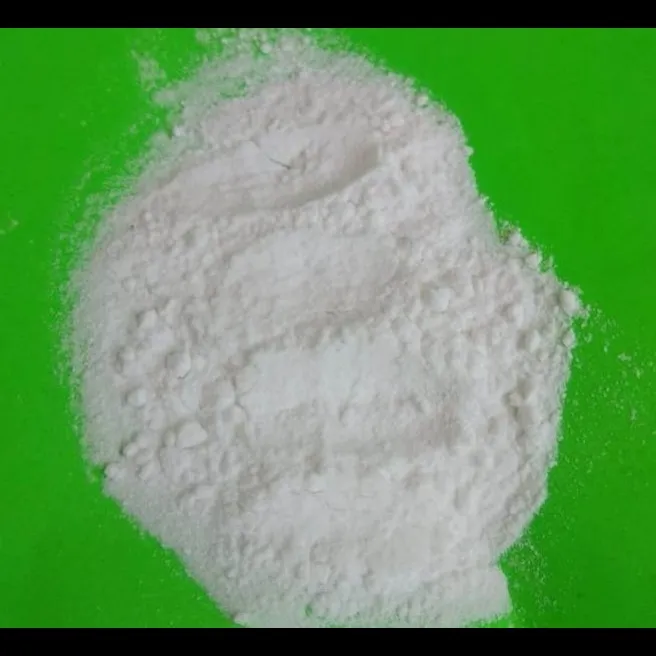
Sodium sulfate is the common make-up chemical used to restore sulfur lost from the chemical recovery loop
(sulfidity losses, carryover with pulp, spills, or purge/bleed).
Enables Na₂S production in the recovery cycle.
During black-liquor combustion in the recovery boiler and subsequent smelt dissolution,
sulfate (SO₄²⁻) is reduced to sulfide (S²⁻) (and combined with Na⁺) to regenerate Na₂S in green/white liquor that is essential for kraft delignification.
Enables Na₂S production in the recovery cycle. During black-liquor combustion in the recovery boiler and subsequent smelt dissolution,
sulfate (SO₄²⁻) is reduced to sulfide (S²⁻) (and combined with Na⁺) to regenerate Na₂S in green/white liquor that is essential for kraft delignification.
Operational considerations & effects on pulp
Sulfidity control:
Sulfidity (usually expressed as % = 100·Na₂S/(Na₂S + NaOH) as equivalents) affects delignification rate, selectivity, pulp yield, and bleachability.
Low sulfidity → slower delignification and poorer selectivity;
high sulfidity → faster delignification but risk of excessive
carbohydrate degradation. Makeup sulfide from Na₂SO₄ helps maintain target sulfidity.
Consistency of dosing:
Variable sulfate feed can cause fluctuations in sulfidity and white liquor composition — affects cook control and paper properties.
Impurities: Chlorides, heavy metals, alkalinity,
and moisture in make-up Na₂SO₄ can affect the recovery boiler, scaling, and corrosion. Keep quality consistent.
Feed point:
Key chemistry (overview, not exhaustive)
Sodium sulfate itself is a stable;
soluble sulfate salt. In the recovery system the simplified conceptual pathway is:
Na₂SO₄ (in black liquor / smelt) → (thermal reduction in recovery
boiler in presence of carbon/CO) → Na₂S (in smelt / green liquor) + oxidized carbon gases.
Actual smelt chemistry is complex and involves multiple
solid/liquid/gas equilibria, sulfation/reduction steps, and
interactions with inorganic non-process elements.
Sodium sulfate is typically introduced to the black liquor/weak
liquor or directly to concentrators / recovery system feed where it will mix into streams entering the recovery boiler.
Follow mill-specific practice.
Typical specifications / quality parameters (recommended)
Assay (Na₂SO₄):
≥ 98–99% (industrial grade;
choose higher if mill process sensitive)
Moisture: as low as practical (e.g., <1–2% for solid product)
Chloride (Cl⁻):
low (spec limit depends on mill tolerance;
chlorides promote corrosion and aerosol formation)
Alkali as Na₂O / Na⁺: controlled (excess Na can upset balance)
Heavy metals (Fe, Cu, etc.):
minimized — metals catalyze corrosion and can foul recovery systems
Form: Anhydrous granular or crystalline (ease of handling and dosing)
(Contract with supplier should include analytical certificate of analysis — COA
Estimating kg S lost/day:
sum of measured sulfidity loss,
purge bleed,
carryover with pulp (kg S/t pulp × t pulp/day),
inventory changes and known spills.
Many mills use empirical loss figures (e.g., X kg Na₂SO₄ per adt
pulp) determined from plant mass balances.
- sodium sulphate
- sodium sulfate
- Na2SO4
- CAS 7757-82-6 (anhydrous)
- CAS 7727-73-3 (decahydrate)
- E514
- EC 231-820-9
- sodium sulphate SDS
- sodium sulphate MSDS
Make-up sulfur source.
Sodium sulfate is the common make-up chemical used to restore sulfur lost from the chemical recovery loop
(sulfidity losses, carryover with pulp, spills, or purge/bleed).
Enables Na₂S production in the recovery cycle.
During black-liquor combustion in the recovery boiler and subsequent smelt dissolution,
sulfate (SO₄²⁻) is reduced to sulfide (S²⁻) (and combined with Na⁺) to regenerate Na₂S in green/white liquor that is essential for kraft delignification.
Enables Na₂S production in the recovery cycle. During black-liquor combustion in the recovery boiler and subsequent smelt dissolution,
sulfate (SO₄²⁻) is reduced to sulfide (S²⁻) (and combined with Na⁺) to regenerate Na₂S in green/white liquor that is essential for kraft delignification.
Operational considerations & effects on pulp
Sulfidity control:
Sulfidity (usually expressed as % = 100·Na₂S/(Na₂S + NaOH) as equivalents) affects delignification rate, selectivity, pulp yield, and bleachability.
Low sulfidity → slower delignification and poorer selectivity;
high sulfidity → faster delignification but risk of excessive
carbohydrate degradation. Makeup sulfide from Na₂SO₄ helps maintain target sulfidity.
Consistency of dosing:
Variable sulfate feed can cause fluctuations in sulfidity and white liquor composition — affects cook control and paper properties.
Impurities: Chlorides, heavy metals, alkalinity,
and moisture in make-up Na₂SO₄ can affect the recovery boiler, scaling, and corrosion. Keep quality consistent.
Feed point:
Key chemistry (overview, not exhaustive)
Sodium sulfate itself is a stable;
soluble sulfate salt. In the recovery system the simplified conceptual pathway is:
Na₂SO₄ (in black liquor / smelt) → (thermal reduction in recovery
boiler in presence of carbon/CO) → Na₂S (in smelt / green liquor) + oxidized carbon gases.
Actual smelt chemistry is complex and involves multiple
solid/liquid/gas equilibria, sulfation/reduction steps, and
interactions with inorganic non-process elements.
Sodium sulfate is typically introduced to the black liquor/weak
liquor or directly to concentrators / recovery system feed where it will mix into streams entering the recovery boiler.
Follow mill-specific practice.
Typical specifications / quality parameters (recommended)
Assay (Na₂SO₄):
≥ 98–99% (industrial grade;
choose higher if mill process sensitive)
Moisture: as low as practical (e.g., <1–2% for solid product)
Chloride (Cl⁻):
low (spec limit depends on mill tolerance;
chlorides promote corrosion and aerosol formation)
Alkali as Na₂O / Na⁺: controlled (excess Na can upset balance)
Heavy metals (Fe, Cu, etc.):
minimized — metals catalyze corrosion and can foul recovery systems
Form: Anhydrous granular or crystalline (ease of handling and dosing)
(Contract with supplier should include analytical certificate of analysis — COA
Estimating kg S lost/day:
sum of measured sulfidity loss,
purge bleed,
carryover with pulp (kg S/t pulp × t pulp/day),
inventory changes and known spills.
Many mills use empirical loss figures (e.g., X kg Na₂SO₄ per adt
pulp) determined from plant mass balances.
- sodium sulphate
- sodium sulfate
- Na2SO4
- CAS 7757-82-6 (anhydrous)
- CAS 7727-73-3 (decahydrate)
- E514
- EC 231-820-9
- sodium sulphate SDS
- sodium sulphate MSDS
Keywords