

Basic Information
Chemical Formula: NaNO₃
Molecular Weight: 84.99 g/mol
Common Names: Chile saltpeter, Soda niter
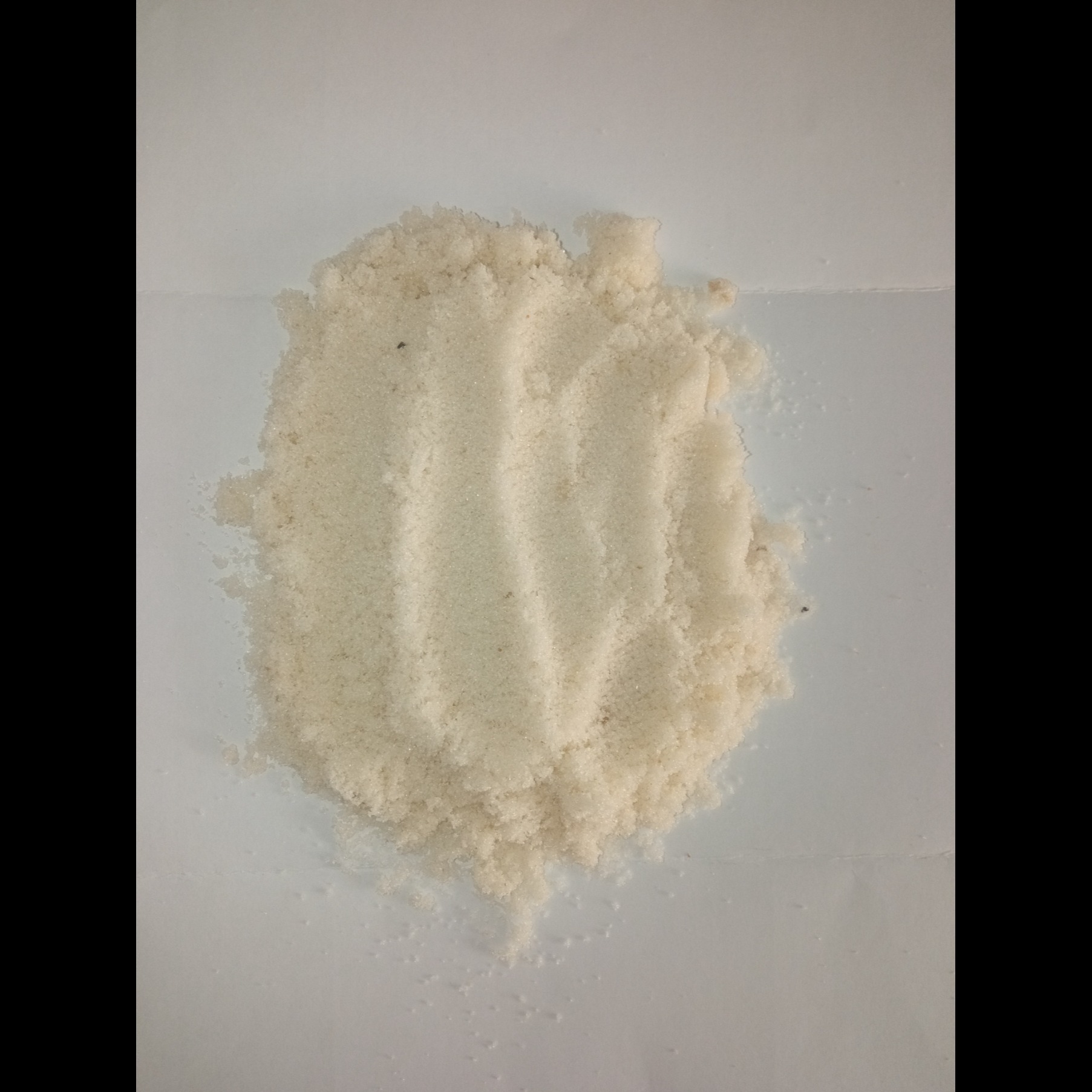
Appearance: White crystalline solid
Odor: Odorless
Solubility: Highly soluble in water
Applications
Fertilizer (source of nitrogen)
Oxidizing agent in explosives and fireworks
Food preservative (curing meats)
Heat storage and transfer in solar thermal systems
Glass and ceramics manufacturing
Storage & Handling
Store in a cool, dry, well-ventilated area.
Keep away from combustible materials and organic substances.
Avoid contact with reducing agents.
Groundwater Contamination
Nitrates are highly soluble and easily leach into groundwater.
Contaminated groundwater can persist for decades and affect rural wells and drinking water sources
Human Health Impacts (via Environment)
Methemoglobinemia (“Blue Baby Syndrome”):
High nitrate levels in drinking water can interfere with oxygen transport in infants’ blood.
Potential Carcinogenic Effects:
Nitrates can form nitrosamines, compounds linked to cancer risks when ingested in large quantities.
Aquatic Ecosystem Damage
Loss of biodiversity due to oxygen depletion.
Fish kills and reduction of sensitive species
Growth of invasive algal species that release toxins harmful to wildlife and humans.
• sodium nitrate
• NaNO3
• sodium nitrate CAS 7631-99-4
• sodium nitrate chemical formula
• sodium nitrate properties
• sodium nitrate specification
• sodium nitrate SDS
• sodium nitrate MSDS
• Chile saltpeter
• Peru saltpeter
• nitrate of soda
• nitric acid sodium salt
• sodium salt of nitric acid
Soil Effects
Excess nitrate alters soil pH and microbial balance.
Causes nutrient leaching of essential elements like calcium, magnesium, and potassium.
Long-term accumulation reduces soil fertility and disrupts natural nitrogen cycles.
Mitigation Strategies
Proper wastewater treatment before discharge.
Controlled fertilizer application and timing to reduce runoff.
Use of buffer strips and constructed wetlands to absorb nitrates.
Promotion of denitrification processes in treatment plants.
Climate Implications
Decomposition of nitrate-rich organic matter can release nitrous oxide (N₂O) — a greenhouse gas 300× more potent than CO₂.
Personal Protective Equipment (PPE)
Gloves: Nitrile or neoprene chemical-resistant gloves
Eye Protection: Safety goggles or face shield
Clothing: Lab coat or chemical-resistant apron
Respiratory Protection: Dust mask or respirator (when airborne particles present)
Footwear: Closed, non-slip, chemical-resistant shoes
Chemical Identity
Name: Sodium Nitrate
Formula: NaNO₃
CAS No.: 7631-99-4
Classification: Oxidizing solid (GHS Category 3)
Hazard Symbols:
. Safe Handling Practices
Handle in well-ventilated areas or under fume hood.
Avoid contact with combustible materials (paper, wood, oil, etc.).
Do not mix with acids or reducing agents.
Prevent spills and dust formation.
Use non-sparking tools and grounded equipment when transferring material.
Storage Guidelines
Store in a cool, dry, and well-ventilated place.
Keep away from:
Organic materials
Acids and reducing agents
Heat and direct sunlight
Container: Use tightly closed containers made of corrosion-resistant material.
Segregate: Store separately from flammables and combustibles.
In Case of Spill:
Sweep up carefully without creating dust.
Place residue in clean, dry, labeled containers.
Wash area with plenty of water.
Avoid discharge into drains or natural water bodies
In Case of Fire:
Use water spray or flooding to extinguish.
Do not use dry chemical, CO₂, or foam — ineffective on oxidizers.
Cool surrounding containers with water.
Firefighters should wear self-contained breathing apparatus
Regulatory References
GHS Classification: Oxidizing Solid (Category 3)
UN Number: 1498
Hazard Class: 5.1 (Oxidizer)
Packing Group: III
Transport Label:
Disposal Considerations
Dispose of sodium nitrate as hazardous waste in compliance with local regulations.
Do not pour into drains or natural water sources.
Use authorized waste management services.