

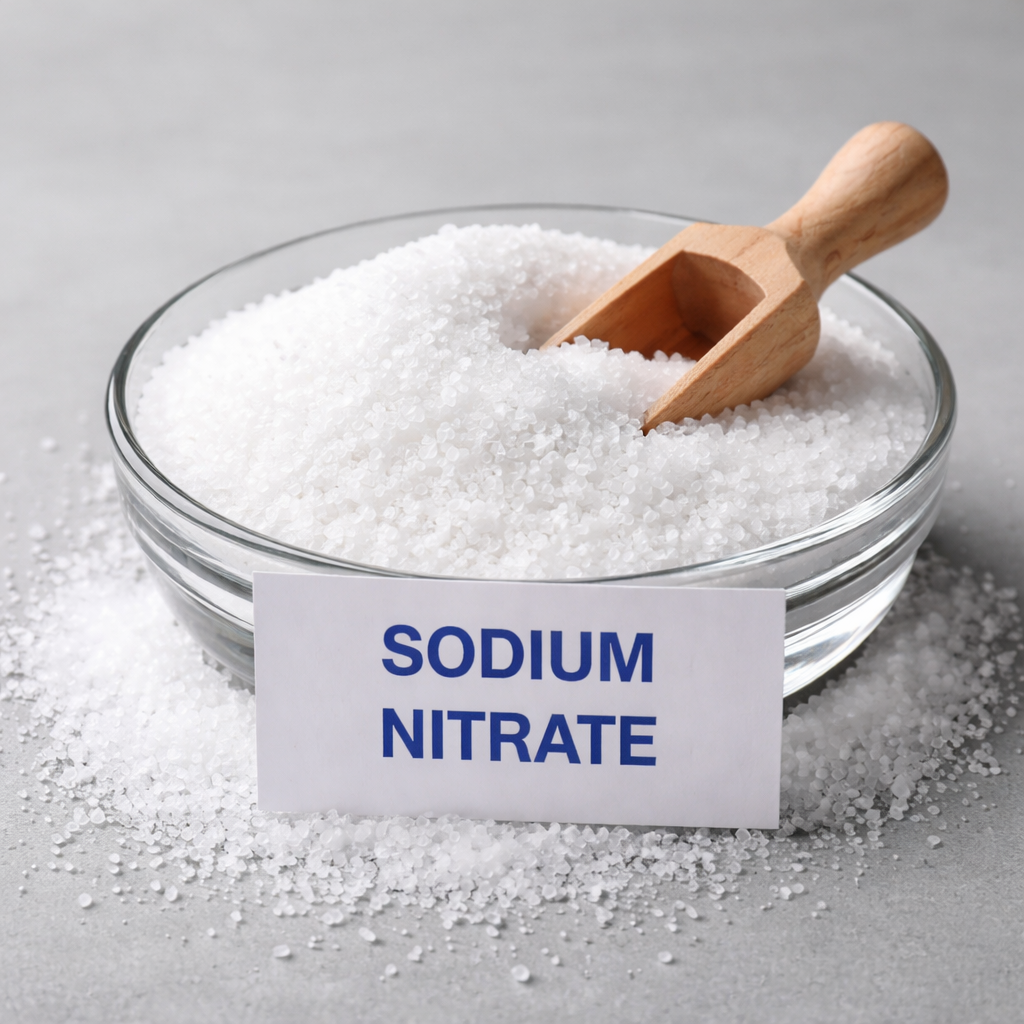
SODIUM NITRATE DECOMPOSITION TEMPERATURE CONTROL
Upon heating above threshold temperature:
2 NaNO₃ → 2 NaNO₂ + O₂↑
Further heating can lead to:
NaNO₂ → Na₂O + NO + NO₂ + O₂↑
Gases released:
- Oxygen (O₂)
- Nitric oxide (NO)
- Nitrogen dioxide (NO₂ – toxic brown fumes)
. Operational Limits
- Maintain working temperature below 350–380 °C for stability
- For molten salt applications, recommended control band:
- 320–360 °C
Install real-time temperature logging
Regular calibration of thermal sensors every 6–12 months
Visual inspection for discoloration (yellow tint indicates nitrite formation)
Gas detection systems for NOx in processing areas
- Stop heating immediately
- Apply controlled cooling—avoid rapid quenching
- Vent system to release pressure safely
- Evacuate personnel if NOx fumes appear (brown/yellow gas)
- Activate ventilation / scrubber system
- Use SCBA + full protective gear for responders
Maintain clean material—filter out contaminants regularly
Use corrosion-resistant materials in heat transfer loops
Avoid contact with:
- Organic materials
- Metal powders
- Strong acids
- Ammonium salts
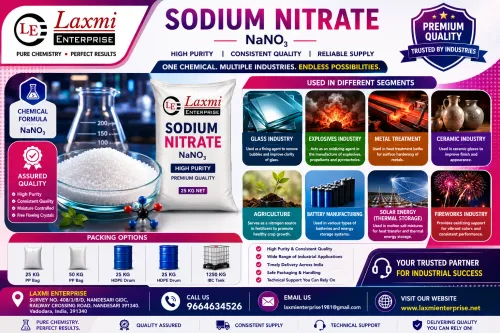
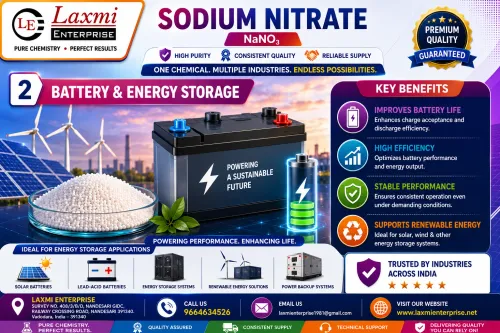
- Solar molten salt thermal storage (NaNO₃-KNO₃ blends)
- Metal heat treatment salts
- Oxidizing agent in pyrotechnics
- Chemical synthesis requiring controlled oxygen release
For solar salt mixtures (60% NaNO₃ / 40% KNO₃ 'Solar Salt'):
SODIUM NITRATE STORAGE & HANDLING REGULATIONS
Sodium nitrate (NaNO₃) is classified as an oxidizing solid and must be stored/handled under specific regulatory frameworks to prevent combustion, contamination, and accidental release.
Environmental Conditions
- Temperature: < 30°C recommended
- Humidity: keep dry, moisture-proof packaging
- Avoid sunlight & heat sources
Wear gloves, dust mask/respirator, goggles, lab coat
Avoid dust clouds—use mechanical sealed handling
Do not heat above thermal onset without monitoring
Use anti‑spark tools for transfer in dry condition areas
Wash after handling; prevent ingestion/skin exposure
Fire control: use water spray only (never dry chemical / foam with combustibles)
Spill handling:
- Collect dry
- Avoid flushing into drains
- Dispose under hazardous waste guidelines
Maintain onsite emergency plan & MSDS display
Train staff annually in chemical handling rules
SODIUM NITRATE TRANSPORTATION SAFETY GUIDELINES
Sodium Nitrate (NaNO₃) is regulated during transport due to its oxidizing properties. Proper packaging, labeling, segregation, and documentation are legally required to avoid fire acceleration hazards, contamination, or accidental release
Spill or Leak
- Stop vehicle in safe outdoor area
- Avoid creating dust clouds
- Scoop material into clean containers
- Prevent entry into drains or soil
- Notify supervisor/environmental authority if large spill
Sodium nitrate is not combustible but accelerates burning
Use water spray to cool surrounding materials
Do not use dry chemical or foam if organic fuel is nearby
Inhalation → move to fresh air, provide oxygen if needed
Skin contact → wash with water for ≥15 minutes
Eye contact → rinse eyes, seek medical evaluation
Ingestion → rinse mouth, do not induce vomiting
- Transport during daytime when possible
- Use GPS tracking for high‑tonnage shipments
- Train drivers for oxidizer awareness
- Maintain fire extinguishers (Water type only – Class A)
- Conduct pre‑transport inspection & documentation
SODIUM NITRATE ENVIRONMENTAL RISK MITIGATION
Sodium Nitrate (NaNO₃) is a highly soluble inorganic oxidizer. Its release into soil or water can cause eutrophication, increased nitrate levels in groundwater, and ecological stress. Risk mitigation ensures safe handling from storage to disposal.
Storage & Containment
- Store in dry, covered, ventilated areas
- Use impermeable secondary containment trays
- Keep away from drains, water sources, rain exposure
- Use moisture‑proof bags/drums/FIBC liners
Avoid dusty operations; use dust extractors
Perform loading/unloading on hard flooring only
Train staff on spill & oxidizer handling
Avoid creating dust; use scoop & broom
Collect in clean, dry container for reuse or disposal
Wash area with water; prevent wash‑off into drains
Stop material spread using sand/earth barriers
Prevent entry to sewers, storm drains, water bodies
Neutralize solution with calcium chloride or gypsum (CaSO₄) if dissolved
Pump contaminated water for treatment
Excavate contaminated soil layer
Flush soil with water & collect runoff
Treat runoff using ion exchange or biological denitrification
- ISO 14001 – Environmental Management
- EPA/PCB/CPHEEO drinking water standards
- Hazardous Waste Rules & Local Disposal Guidelines
- UN/ADR/IATA transportation standards (Class 5.1)
Disposal into natural water streams without treatment is prohibited.
Alert environmental safety team
Block waterways immediately
Monitor nitrate concentration downstream
Notify regulatory authorities if required
- Closed‑loop nitrate recovery systems
- Adopt low‑loss transfer processes
- Use sodium nitrate alternatives when feasible
- Community awareness near industrial zones
- Maintain environmental impact assessment documentation
Sodium nitrate (NaNO₃) is a solid oxidizer that may irritate skin, eyes, and respiratory pathways. Appropriate PPE ensures safe handling during storage, processing, packaging, and transport.
. Eye & Face Protection
- Chemical splash goggles mandatory
- Face shield during bag emptying and high‑dust conditions
B. Hand Protection
Recommended glove materials:
Lab coat or full‑body coverall
Chemical‑resistant apron for wet/solution handling
Fire‑retardant suit when near heat or ignition sources
Minimum: N95/P2 particulate mask
For continuous exposure: Half‑face cartridge respirator
In high‑dust or spill response: Full‑face respirator + P100 filters
In fire or decomposition event: SCBA required
Wear anti‑skid safety shoes (non‑sparking recommended)
Helmet mandatory in industrial work zones
Avoid shoes contaminated with sodium nitrate to prevent environmental tracking
Inspect PPE for damage
Wear respirator → goggles → gloves → coat/coverall
Ensure sleeves cover glove cuffs
Secure face shield (if required)
Remove gloves carefully
Take off coat/coverall without shaking
Remove goggles/respirator last
Wash hands thoroughly with water
PPE is more effective with combined safety systems:
- Local exhaust ventilation (LEV) at handling points
- Dust suppression/closed transfer systems
- Eyewash stations & safety shower within 10 meters
- Signage: 'Wear PPE – Oxidizer Handling Zone'
Store PPE in clean, dry cabinet
Replace respirator cartridges as per service life
Launder work garments separately
Dispose of contaminated PPE as hazardous waste
- NOx fumes detected (brown/yellow vapors)
- Fire or decomposition occurs
- Large spill requires containment
Alert nearby personnel and supervisor.
Stop operations in the affected area.
Evacuate non‑essential workers.
Remove all ignition sources & combustible materials (wood, paper, fabric, oils, organic chemicals).
- Chemical‑resistant gloves (nitrile/neoprene)
- Safety goggles + face shield
- Antistatic protective clothing or lab coat
- Dust mask / N95 or P2 respirator if powder becomes airborne
- Rubber boots (avoid leather—absorbs chemicals)
Avoid dust generation—work slowly and gently.
Cover spill with damp inert material:
- Dry sand, vermiculite, soda ash, earth
- Do NOT use sawdust or organic absorbents
Use non‑sparking plastic/aluminum shovels to collect material.
Transfer to clean, labeled container for recovery or disposal.
Wash area thoroughly with water and detergent.
Prevent wash‑water from entering drains/soil.
- Absorb with inert material (sand/vermiculite).
- Scoop slurry into corrosion‑resistant drum.
- Rinse site with plenty of water.
Block drain entries using absorbent socks.
Report spills near soil/water bodies to environmental authority.
Store collected waste as oxidizer‑contaminated waste.
Follow local hazardous waste regulations.
Preferred method: dissolution and disposal via approved chemical waste facility.
Never mix with organics, reducing agents, metals, or flammable waste streams.
Wash hands and exposed skin thoroughly.
Inspect area for residual contamination.
Restock spill kits and PPE.
Record incident & steps taken in logbook.
· Chile saltpeter
· Peru saltpeter
· nitrate of soda
· nitric acid sodium salt
· sodium salt of nitric acid