How Should Procurement Teams Select the Right Sodium Nitrate Free Flow Supplier?
Selecting the right Sodium Nitrate Free Flow supplier involves much more than comparing prices. Industrial procurement teams generally evaluate product consistency, technical documentation, packaging quality, supply reliability, commercial support, and long-term supplier performance before making a purchasing decision.
Why Is Supplier Selection More Important Than Finding the Lowest Price?
Every procurement manager has faced this situation at least once. Two suppliers offer what appears to be the same product. One quotation is lower, the other slightly higher.
At first glance, the lower price seems like the better deal. However, once deliveries begin, the real cost of the purchase becomes visible. Missing documents, inconsistent packaging, delayed deliveries, or repeated follow-up with the supplier can consume far more time than the initial saving.
This is why experienced industrial buyers evaluate the **total value of the supplier**, not just the purchase price.
Quick Take
A good supplier delivers more than a chemical.
A dependable supplier delivers:
* Consistent product quality
* Complete documentation
* Reliable dispatch
* Professional communication
* Predictable long-term supply
What Questions Should Buyers Ask Before Requesting a Quotation?
Before comparing quotations, clarify your own requirements.
Ask questions such as:
* Which Sodium Nitrate grade does our process require?
* What annual quantity do we consume?
* Which packing size is most practical?
* What technical documents are mandatory?
* What delivery schedule supports production?
* Are there any customer-specific quality requirements?
When requirements are clearly defined, supplier comparison becomes more meaningful.
How Should Procurement Teams Compare Suppliers?
Price should be one element of the evaluation—not the only one.
| Evaluation Criteria | Why It Matters |
| --------------------- | --------------------------------------------------- |
| Product Specification | Confirms suitability for the intended application |
| Batch Consistency | Supports stable purchasing and production |
| COA Availability | Batch verification |
| SDS Availability | Handling and safety information |
| Packaging Quality | Product protection during transport and storage |
| Delivery Reliability | Supports production planning |
| Technical Support | Faster response to commercial and technical queries |
| Supply Capability | Long-term business continuity |
What Makes a Reliable Industrial Supplier?
Reliable suppliers generally demonstrate consistency over time rather than excellence in a single shipment.
Industrial buyers often value suppliers that can provide:
* Consistent specifications
* Professional documentation
* Stable packaging quality
* Predictable delivery schedules
* Responsive customer support
* Clear communication
* Long-term supply capability
These qualities help simplify procurement and reduce operational uncertainty.
Why Are Technical Documents Important Before Delivery?
Many receiving delays occur because documentation is incomplete rather than because of product quality.
Before dispatch, procurement teams commonly expect:
* Certificate of Analysis (COA)
* Safety Data Sheet (SDS)
* Product Specification (where applicable)
* Batch Identification
* Packing List
* Commercial Invoice
Receiving complete documentation before or with the shipment allows warehouse and quality teams to process deliveries more efficiently.
Which Packing Size Should Buyers Choose?
The right packaging depends on how the material will be received, stored, and consumed.
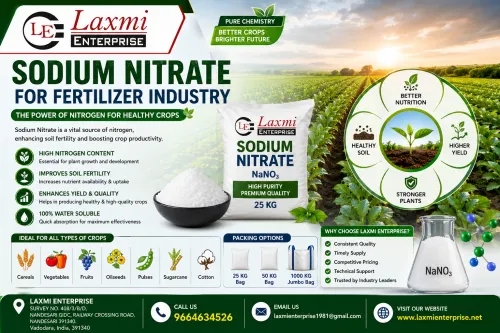
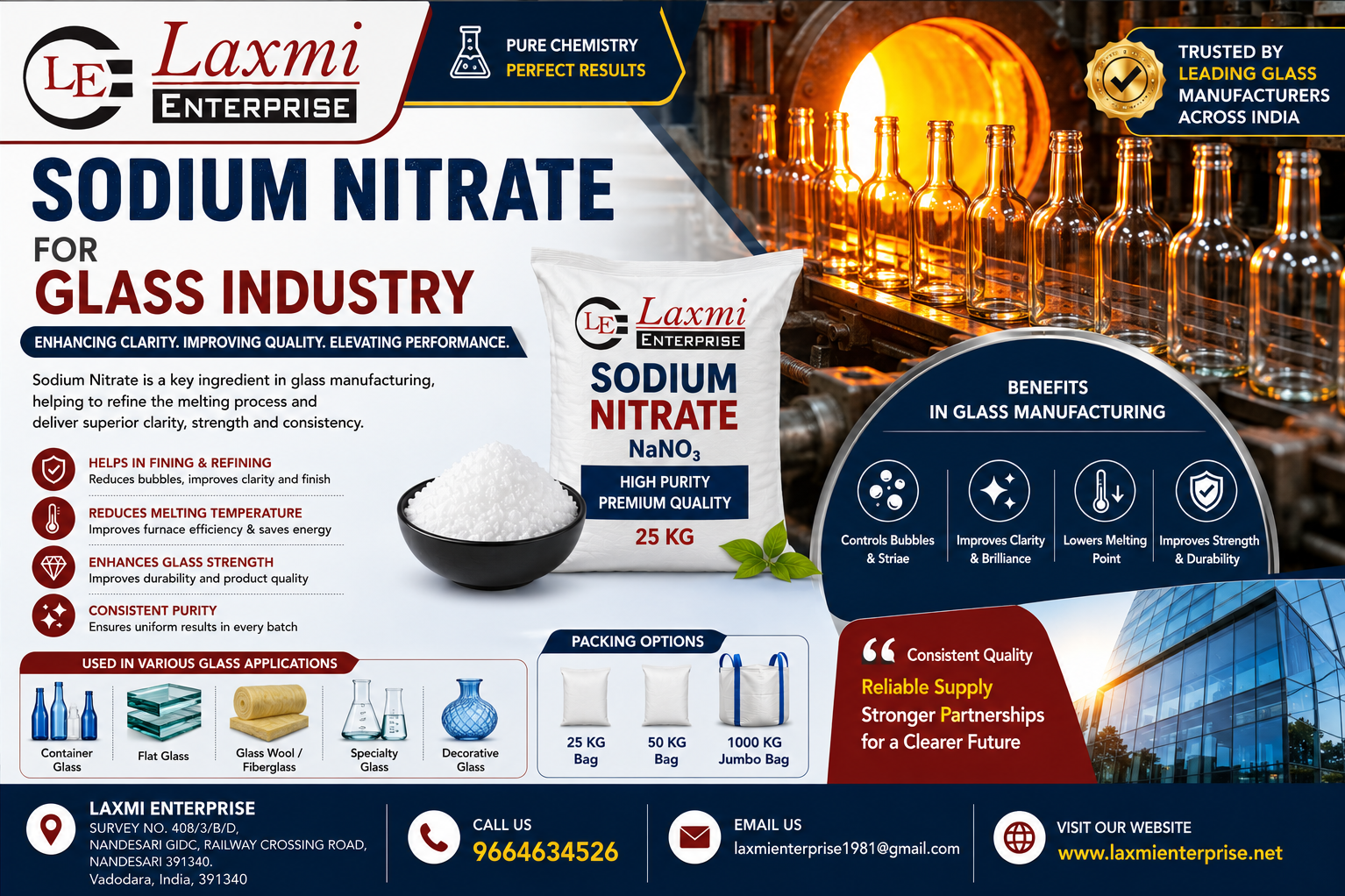
25 kg Bags
Generally suitable for:
* Smaller manufacturing units
* Pilot production
* Laboratory support
* Manual handling
50 kg Bags
Often preferred for:
* Routine industrial production
* Medium and large manufacturing plants
* Regular warehouse operations
500 kg Jumbo Bags
Commonly selected where:
* High-volume consumption exists
* Bulk handling equipment is available
* Warehouse efficiency is a priority
The choice should align with operational requirements rather than habit.
Should Procurement Teams Consider Warehouse Operations?
Yes.
A purchasing decision affects more than the procurement department.
Warehouse personnel, quality teams, and production staff all interact with the material after delivery.
For this reason, procurement decisions should consider:
* Storage capacity
* Material handling equipment
* Inventory practices
* Internal transportation
* Receiving procedures
A product that fits the warehouse workflow often reduces unnecessary handling and improves operational efficiency.
Why Is Long-Term Supplier Performance More Important Than One Successful Order?
One successful delivery demonstrates capability.
Consistent performance over months or years demonstrates reliability.
Procurement departments often review:
* On-time deliveries
* Documentation accuracy
* Packaging consistency
* Communication quality
* Response to enquiries
* Product consistency
Long-term performance provides greater confidence when planning future production requirements.
Supplier Evaluation Scorecard
Many organizations use a simple scoring approach.
| Evaluation Area | Suggested Focus |
| ------------------- | ----------------------------------- |
| Product Quality | Excellent / Good / Needs Review |
| Documentation | Complete / Incomplete |
| Packaging | Consistent / Variable |
| Delivery | On Time / Delayed |
| Communication | Responsive / Slow |
| Technical Support | Available / Limited |
| Overall Performance | Preferred / Approved / Under Review |
The scoring method should reflect each organization's internal purchasing policy.
Common Procurement Mistakes
Experienced purchasing professionals often avoid these common mistakes:
Choosing only on price
The lowest quotation may not provide the lowest long-term operating cost.
Ignoring documentation
Missing documentation can delay receiving inspections and inventory release.
Ordering the wrong packing size
The correct packaging should match warehouse handling systems and production requirements.
Evaluating only one shipment
Supplier consistency becomes clear over multiple deliveries.
Not involving production and quality teams
Procurement decisions are stronger when engineering, production, quality, and warehouse teams contribute to supplier evaluations.
Buyer's Checklist Before Placing an Order
Before issuing a Purchase Order, verify:
✓ Product specification matches process requirements.
✓ Required quantity is confirmed.
✓ Correct packing size selected.
✓ COA availability confirmed.
✓ SDS availability confirmed.
✓ Batch traceability requirements agreed.
✓ Delivery schedule confirmed.
✓ Commercial terms understood.
✓ Warehouse ready to receive material.
✓ Internal stakeholders informed where required.
Procurement Manager's Advice
One practical habit separates experienced buyers from inexperienced ones.
Experienced buyers keep records of supplier performance—not just supplier prices.
Over time, these records reveal which suppliers consistently deliver quality products, complete documentation, reliable communication, and dependable service. That information becomes extremely valuable when production schedules are tight or market conditions change.
Selecting a Sodium Nitrate Free Flow supplier should involve evaluating product specifications, documentation, packaging, delivery reliability, and long-term consistency alongside commercial pricing. A structured supplier evaluation process helps organizations reduce procurement risk and improve manufacturing continuity.
Frequently Asked Questions
How should I compare two Sodium Nitrate suppliers?
Compare more than price. Review product specifications, batch consistency, COA, SDS, packaging quality, delivery history, communication, and long-term supply capability. A structured comparison provides a more accurate picture of overall supplier value.
Why is documentation important before dispatch?
Complete documentation helps receiving teams verify the shipment efficiently, supports quality inspections, and improves traceability throughout warehouse and production operations.
Which packing size is best for regular industrial manufacturing?
Many manufacturers choose **50 kg bags** for routine industrial operations because they balance handling efficiency with storage practicality. However, the most suitable option depends on your production volume and material handling systems
Should production teams be involved in supplier selection?
Yes. Production teams can provide practical feedback on material performance, while quality teams evaluate documentation and procurement teams assess commercial capability. Cross-functional evaluation usually leads to better supplier decisions.
---
## How often should supplier performance be reviewed?
Many organizations review supplier performance periodically based on delivery reliability, documentation quality, packaging condition, communication, and product consistency. Regular reviews support continuous improvement and informed purchasing decisions.
---
# Expert Recommendation
A successful procurement strategy is built on consistency rather than convenience. The most dependable supplier is not necessarily the one offering the lowest quotation—it is the supplier who repeatedly delivers the right product, with complete documentation, appropriate packaging, dependable communication, and reliable service. Those qualities contribute directly to smoother warehouse operations, more predictable production planning, and stronger long-term business relationships.
Keywords